Women Are Driving Local Climate Solutions - But National Policies Aren't Keeping Pace
Scroll down
Key Message
Women are already leading climate adaptation, sustainable resource use, food security, and biodiversity stewardship across landscapes – from mangroves to forests to drylands.
Yet national policy frameworks rarely reflect women’s realities, innovations or priorities and needs in terms of climate adaptation.
Women across Africa are protecting forests, restoring ecosystems, managing mangroves, safeguarding food security, and pioneering climate-resilient practices.
From dryland farming systems in the Sahel to coastal mangrove restoration, women are already implementing nature-based solutions (NbS) that respond directly to climate shocks and environmental degradation.
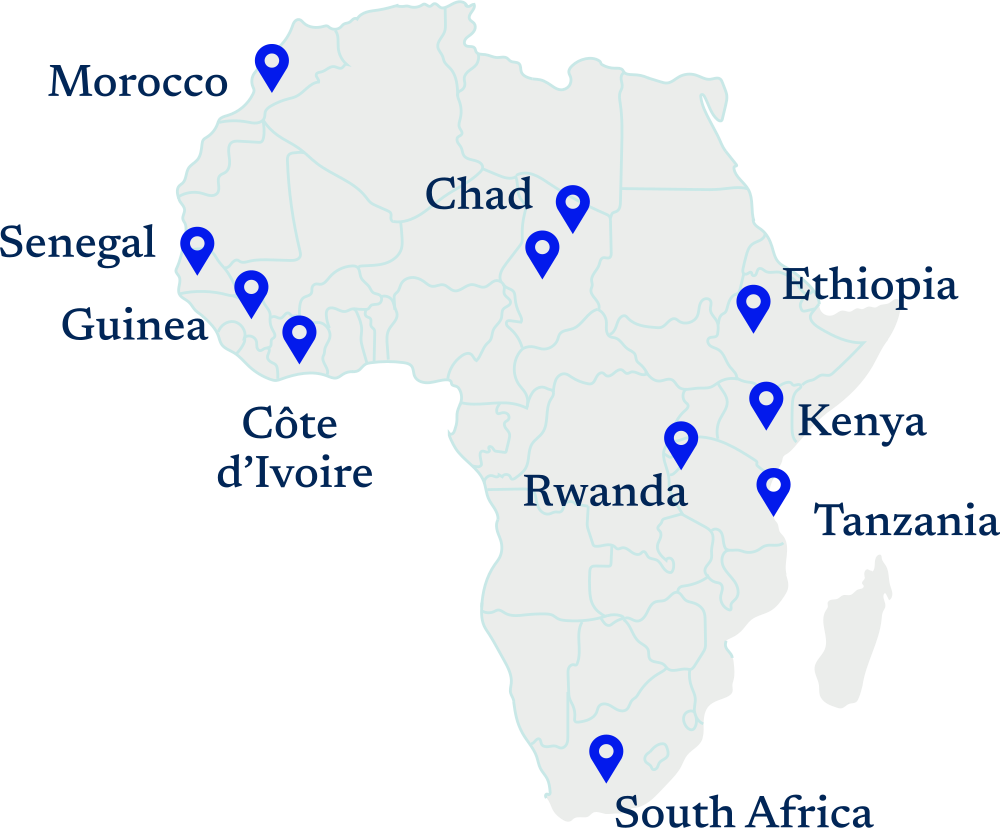
In Chapter 2, you will discover how they are actively leading positive change across 10 countries in the African continent.
However, women’s contributions are often unrecognized and the benefits unevenly shared.
Access to land, decision-making, and resources is shaped by intersecting factors such as age, disability, displacement, ethnicity, and geography, leaving younger, displaced, and marginalized women facing compounded barriers.
Recognizing women’s leadership therefore requires an intersectional – not one-size-fits-all – approach to gender.
Their leadership has not translated into systematic influence within regional, municipal, and national policy frameworks.
The result: A Persistent but uneven disconnect
While women often influence policy design at local and country levels, national frameworks are frequently developed far from the landscapes they seek to govern, leaving many locally grounded solutions invisible at higher decision-making levels.
02
Women at the Heart of Local Resource Governance: Evidence from the Field