

Ottawa, Canada, février 2026 — At International Development Week 2026, IUCN’s NAbSA (Nature-based Solutions for Climate Adaptation: Monitoring & Impact Evaluation) initiative unveiled its new Nature-based Solutions (NbS) Brief Series — a collection of practical, evidence-based publications designed to help governments, investors and communities scale climate adaptation that works for both nature and people.
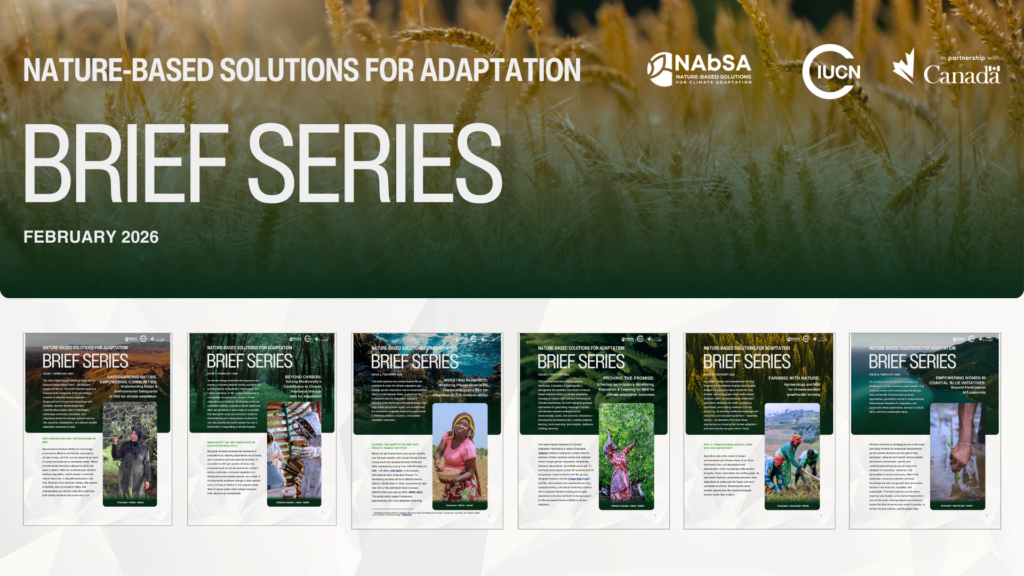
Launched during a high-level gathering supported by IUCN and hosted by NAbSA and Global Affairs Canada, and developed with the contributions and expertise of different projects across Partnering for Climate, the IUCN Secretariat, including the Global Ecosystem-based Adaptation Fund (Fonds mondial EbA), the series translates lessons from on-the-ground experience into actionable guidance — aligning directly with IUCN’s Nature 2030 Programme and its Eight Global Transformations for nature and people.
As climate impacts intensify — from droughts and floods to food insecurity and coastal erosion — the need for solutions that restore ecosystems while strengthening livelihoods has never been clearer. The new briefs provide a roadmap for making NbS more inclusive, investable and accountable.
Advancing the Climate–Nature Nexus
The series strongly supports the first Nature 2030 ‘Transformation on climate change adaptation and mitigation’, which calls for national and international climate strategies to optimise the role of NbS while safeguarding biodiversity.
The first brief, ‘Safeguarding Nature, Empowering Communities’, reframes social and environmental safeguards not as bureaucratic checklists, but as strategic enablers of effective adaptation. Drawing on field experience, it shows how integrating community priorities, diverse knowledge systems and equitable governance reduces maladaptation risks and strengthens long-term resilience.
At a time when climate investments are accelerating, the brief underscores that durable outcomes depend on trust, participation and respect for rights — particularly for Indigenous Peoples, women and local communities.

Valuing Biodiversity Beyond Carbon
Supporting the ‘Transformation on the alignment of financial and economic systems with nature’, the second brief, ‘Beyond Carbon’, tackles a persistent challenge: biodiversity is often undervalued in climate finance decisions.
As extreme weather intensifies, biodiversity underpins ecosystem stability and provides co-benefits ranging from food security to flood protection. This brief demonstrates how understanding and measuring biodiversity’s contributions can strengthen investment cases, inform policy design and prevent narrow, carbon-only approaches.
By broadening how value is defined, the brief contributes to the systemic shift Nature 2030 calls for — reorienting financial flows toward nature-positive outcomes.
Unlocking Finance for Gender-Responsive Adaptation
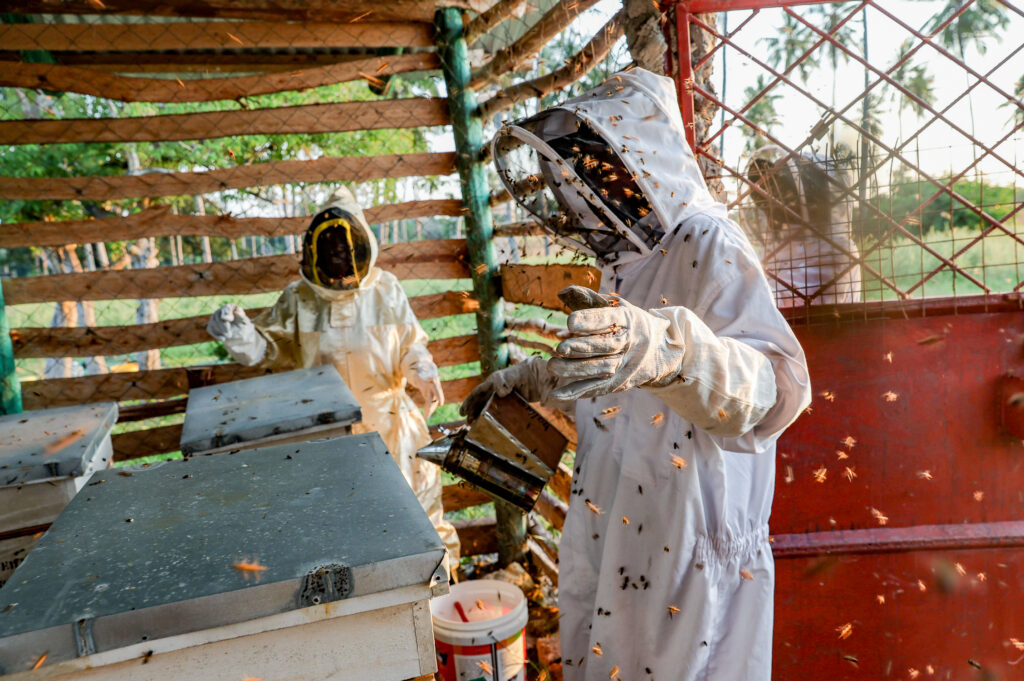
The third brief, ‘Investing in Impact’, also directly addresses the ‘Transformation on the alignment of financial and economic systems with nature’ aligned with nature, as well as the Programme’s emphasis on gender equity and climate justice.
Focusing on Sub-Saharan Africa, the brief explores how blended finance instruments, partnership models and gender-responsive design can close the adaptation finance gap. It highlights practical approaches to align public and private capital while ensuring women — often disproportionately affected by climate change — are empowered as decision-makers and beneficiaries.
The brief reflects a core Nature 2030 priority: reducing barriers so local resource stewards can access climate finance and benefit equitably.
Building Credibility Through Participatory Evidence
Credible monitoring and accountability systems are essential to all eight Transformations, from sustainable agriculture to regenerative blue economies.
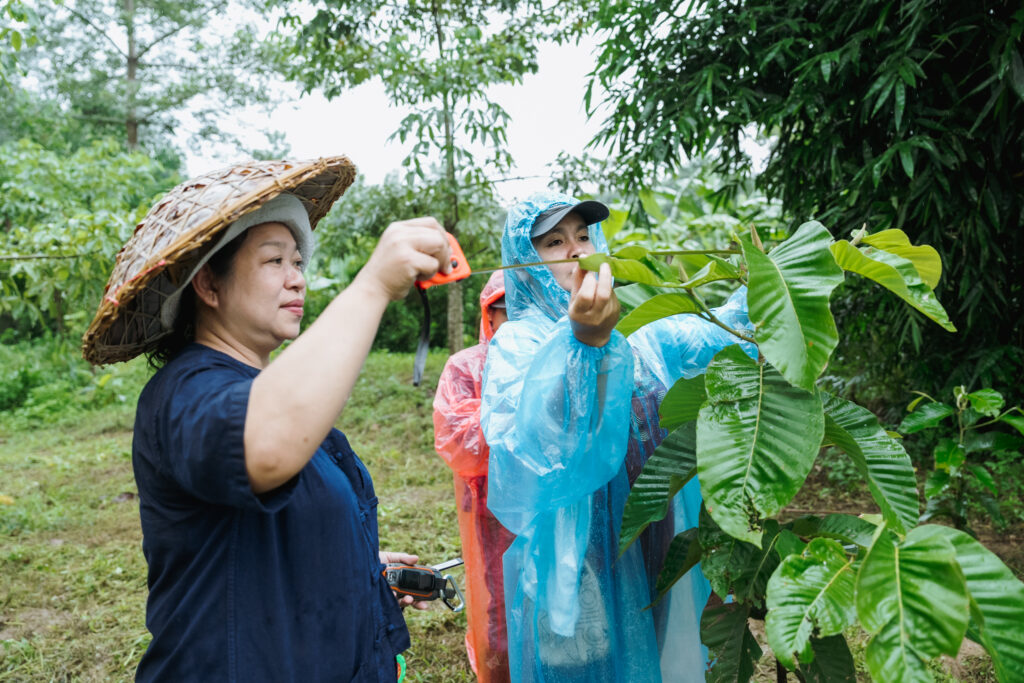
Drawing on experiences from the Global EbA Fund and Partnering for Climate, the fourth brief, ‘Proving the Promise’, demonstrates how people-centred Monitoring, Evaluation and Learning (MEL) strengthens impact. By generating credible, decision-relevant evidence across environmental, social and economic dimensions, participatory MEL enhances adaptive learning, local ownership and scalability.
As governments integrate NbS into national strategies, transparent monitoring systems will be critical to tracking progress and maintaining integrity.
Transforming Food Systems Through Agroecology
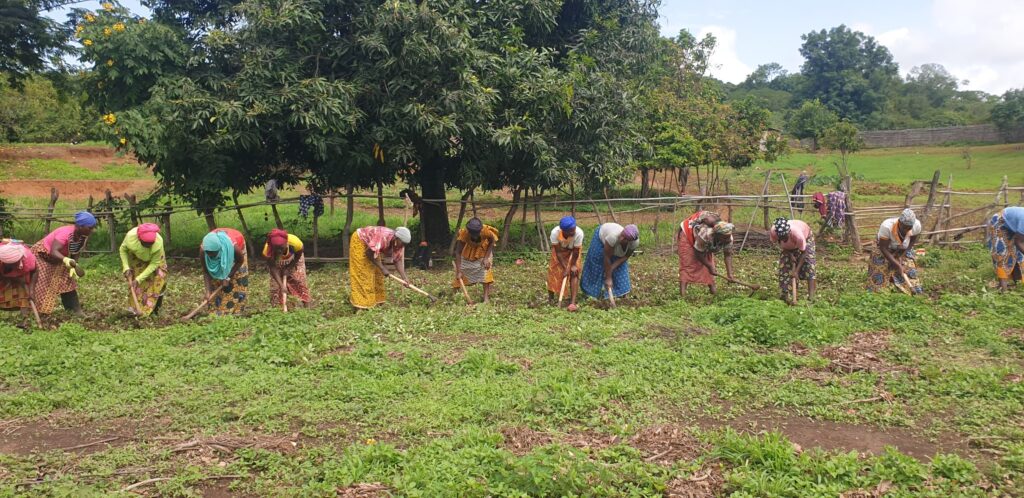
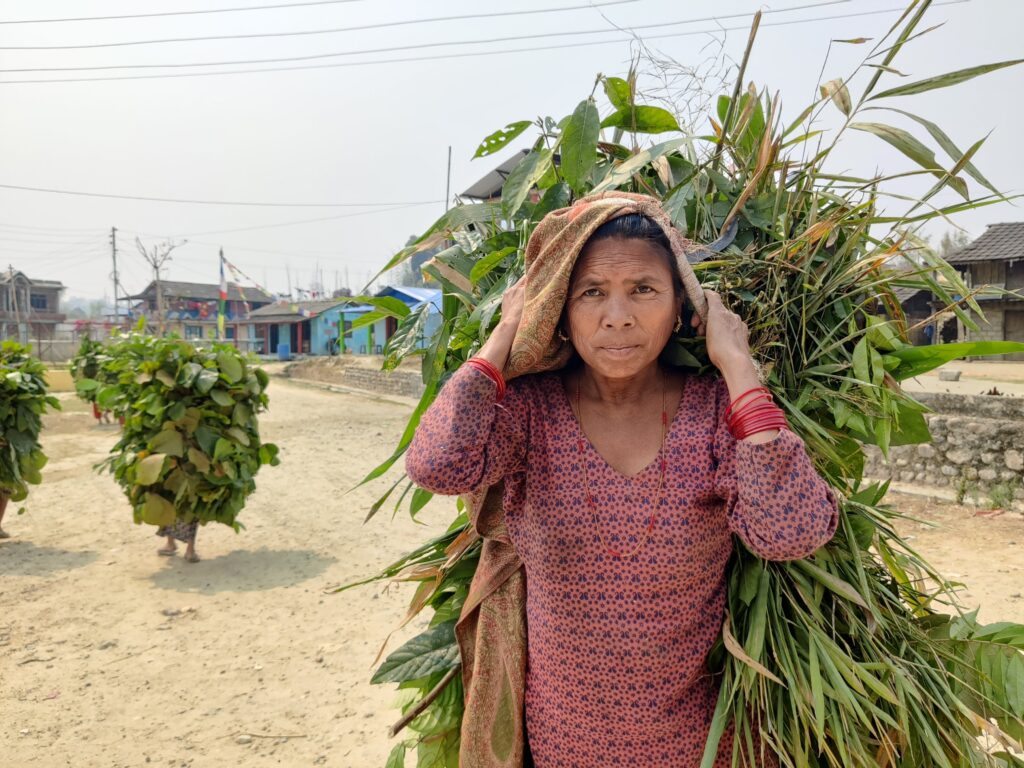
Addressing the ‘Transformation on food systems and sustainable agriculture’, the fifth brief, ‘Farming with Nature’, explores how agroecology and NbS are reshaping smallholder farming.
With global food systems under pressure from climate change and biodiversity loss, agroecological approaches are restoring soils, conserving biodiversity and strengthening resilience from the ground up. Blending traditional knowledge with innovation, these practices empower farmers — especially women — as stewards of multifunctional landscapes.
A collaboration between two NAbSA task forces on Agriculture & Livelihoods et Land & Natural Resource Management, the brief demonstrates how adaptation and food security can grow hand in hand, aligning agricultural production with ecosystem health.
Advancing a Regenerative Blue Economy
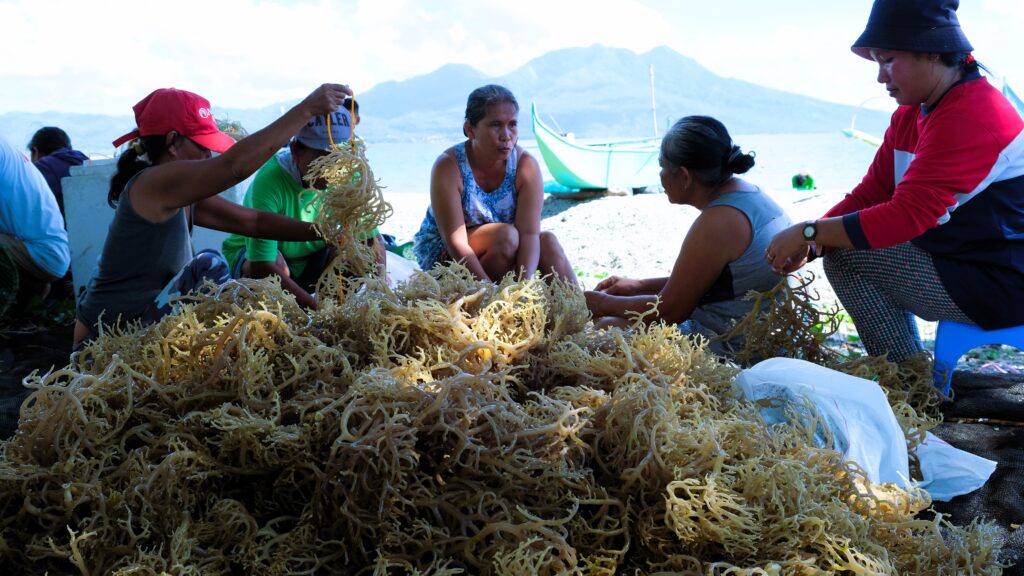
Supporting the ‘Transformation on the regenerative blue economy’, the series also addresses inclusion in marine and coastal contexts.
As countries expand their blue economy strategies, the sixth brief, ‘Empowering Women in Coastal Blue Initiatives’, calls for moving beyond token participation to genuine leadership for women and underrepresented groups. Grounded in NbS for adaptation and community-driven governance, it presents inclusive pathways for ocean stewardship that deliver both ecological and social returns.
By linking equity with marine conservation, the brief, co-developed by NAbSA’s Coastal & Marine Ecosystems task force, reinforces the Nature 2030 call for development pathways that regenerate — rather than exploit — ocean ecosystems.
A Roadmap for Systems Change
Together, the NbS Brief Series contributes to multiple Nature 2030 Transformations — including climate resilience, sustainable agriculture, regenerative blue economies, water stewardship and financial reform.
More broadly, the series responds to one of the Programme’s central challenges: ensuring that nature is not sidelined in climate and economic decision-making. By providing practical tools, evidence and policy guidance, NAbSA is helping to mainstream NbS into national frameworks, investment strategies and community-led action.
As IUCN works with partners across sectors — from governments and financial institutions to Indigenous organisations and private enterprises — the new briefs offer a shared knowledge foundation to accelerate change.
At International Development Week 2026, the launch marked more than the release of publications. It signalled a commitment to move from isolated projects to systemic transformation — advancing a future where climate resilience, biodiversity protection and social equity are pursued together.
Because safeguarding nature is not only an environmental imperative — it is the pathway to a resilient world for all.
Access the whole NbS Brief Series ici.