
As part of the 16 Days of Activism against Gender-based Violence (GBV) campaign, a webinar, convened by IUCN’s NAbSA Initiative and RISE grants challenge, with the support of Global Affairs Canada and the Norwegian Agency for Development Cooperation (NORAD), highlighted the work of IUCN and its partners at the intersection of GBV and the environment. Speakers explored how emerging forms of violence, particularly technology-facilitated gender-based violence (TFGBV), are reshaping risks for women and girls engaged in climate and conservation action.
Céline Heinbecker, Director of the Environment and Climate Partnerships Division at Global Affairs Canada, described the scale and reach of this growing challenge:
“From defects and surveillance to online harassment and sexual exploitation, TFGBV is reshaping the landscape of violence, abuse, and exploitation. This global challenge can reach into every society, every sector, and every screen.”
While digital technologies can expand access to information, strengthen capacities, and shift mindsets, speakers emphasised that these same tools can also be used to intimidate, silence, and exploit women and girls—across all contexts and identities. Addressing this reality, they stressed, requires collective action and a recognition that gender equality is central to building resilient societies.
From Digital Threats to Real-World Harm in Fisheries and Coastal Communities
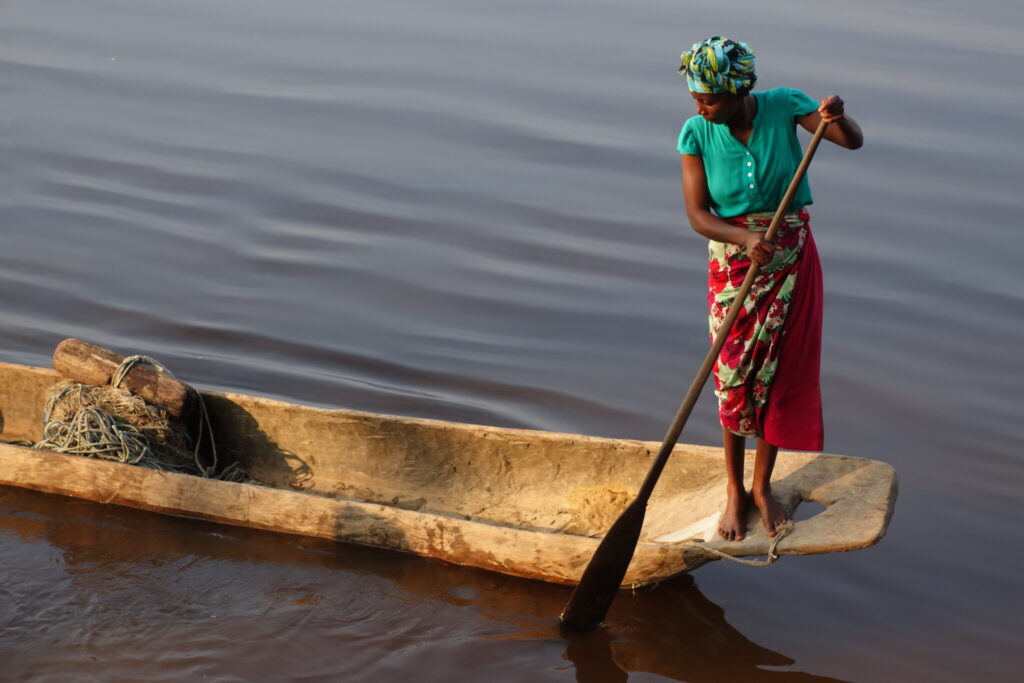
Speakers Sharon Truzão, Gender Equality Advocate and Programme Coordinator at MULEIDE Mozambique, and Ann Wahinya, Director of the Global Trauma Project in Kenya, shared grounded examples from coastal and fisheries contexts where environmental stress, economic vulnerability, and GBV intersect.
In small-scale fisheries, women play critical roles across the value chain—as traders, processors, net menders, and entrepreneurs—yet they remain systematically excluded from leadership, access to resources, and decision-making. Declining fish stocks linked to climate change have intensified competition, exposing women to heightened risks of exploitation and abuse.
Ann Wahinya described how practices such as sex-for-fish emerge when scarcity deepens power imbalances, while harassment, intimidation, and threats at fish landing sites—particularly during peak hours—limit women’s safety and mobility. Harmful gender norms further exclude women from governance structures, undermining both conservation outcomes and community resilience.
Digital tools introduced to help women market fish and coastal products have also become sites of abuse. Extortion, reputational attacks, and non-consensual sharing of images online have created fear and discouraged participation, allowing digital violence to spill into physical spaces and everyday life.
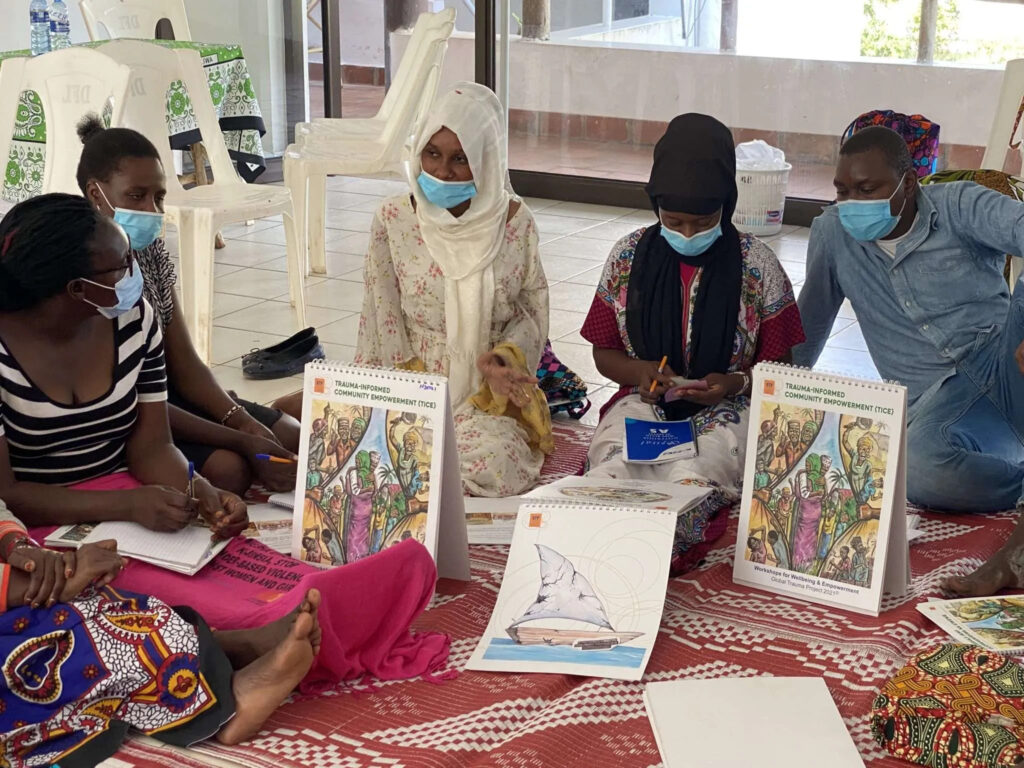
She further emphasised the need for trauma-informed, survivor-centred approaches, including safety assessments to map GBV hotspots, participatory safety action plans, strengthened referral systems, and training women as GBV champions to support healing and accountability within fisheries institutions.
Economic Empowerment Must Come with Protection
Sharon Truzão highlighted that economic empowerment alone is not enough if women are not protected from violence. In Mozambique, women engaged in fisheries and blue economy initiatives often face psychological, sexual, and economic violence when stepping into leadership roles—ranging from harassment and blackmail to conditions placed on participation that undermine their credibility.
Single mothers are particularly vulnerable, with limited control over income and fewer safety nets. MULEIDE’s work focuses on building systems of business enablers—including access to microcredit, savings groups, and entrepreneurship training—while simultaneously providing psychological and legal support and engaging men through dialogues on positive masculinity.
Sharon stressed that transforming harmful norms requires working with men as allies, strengthening institutional response systems, and ensuring that women can access economic opportunities without increased exposure to violence. Linking livelihoods, protection, and agency is essential to sustainable climate and development outcomes.
Using Technology to Transform Norms: Men Can Cook
Speakers also shared examples of how technology can be harnessed for positive change when grounded in local values and lived realities.
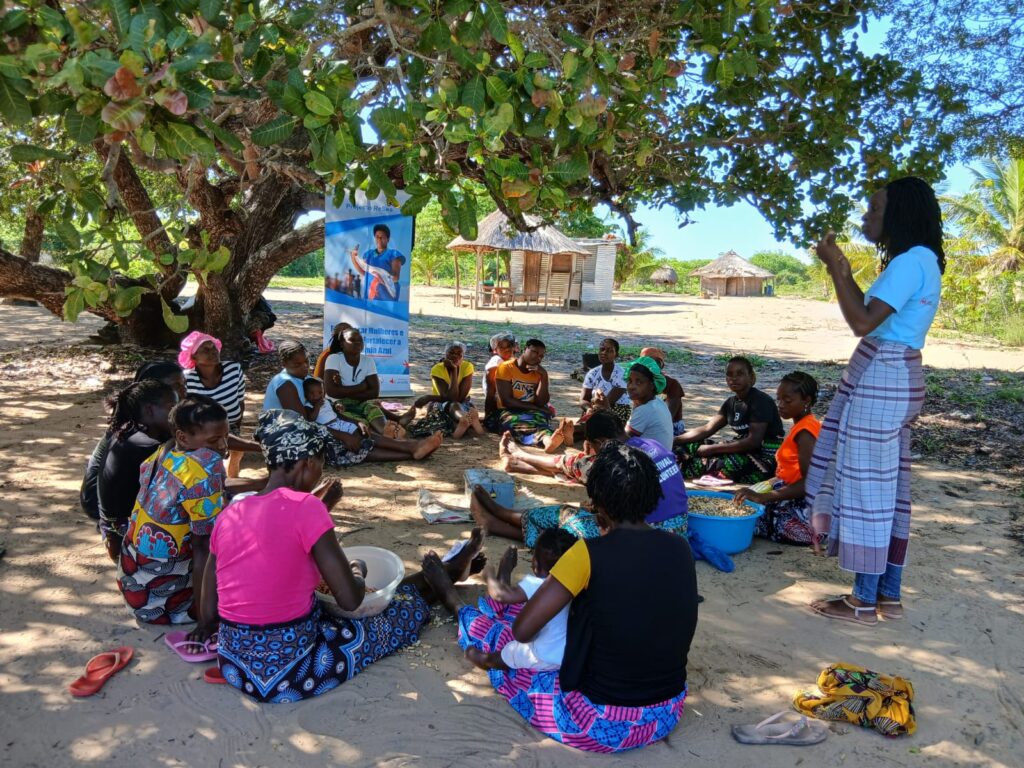
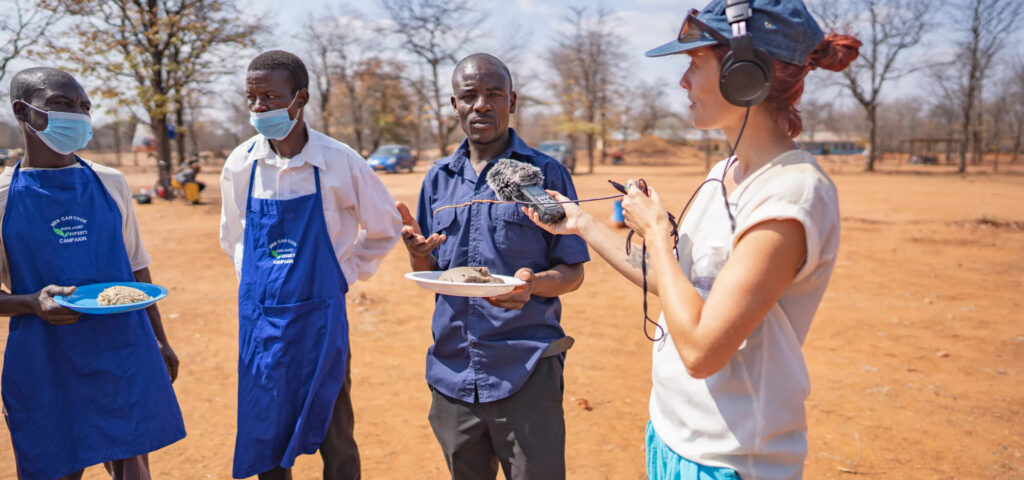
Gamuchirai Bidi, Gender and Social Inclusion Officer at Mennonite Central Committee Zimbabwe, described how the Men Can Cook programme emerged from a gender analysis of harmful social norms. Using a gender-transformative and creative approach, the programme engages men and boys in cooking competitions where women—wives and daughters—teach skills and serve as judges.
These activities create safe spaces to discuss positive masculinity, shared household responsibilities, and conflict resolution. While smartphone access is limited in many communities, the programme uses bulk messaging, community radio, and partner platforms to amplify messages during key moments such as commemorations.
“There are good uses of technology, especially when they anchor messages in local cultures, values, and practices that empower women and girls,” said Céline.
Complementary measures—such as fuel-efficient stoves to reduce women’s time collecting firewood, child-minding support to enable participation, and carefully timed activities—help ensure inclusion. Over time, shifts have been observed within households, with fathers more actively involved in domestic work and caregiving.
The programme forms part of a project supported by the NAbSA initiative through the Global Affairs Canada’s Partnering for Climate initiative. Learn more.
Why GBV Matters for Climate and Conservation Outcomes
Across the discussion, speakers made clear that GBV is not only a human rights violation but a barrier to environmental sustainability. When women are silenced—by fear, trauma, or exclusion—entire communities lose critical voices for conservation, climate adaptation, and sustainable resource management.
As Ann Wahinya noted through her work, when women cannot safely participate in fisheries governance, conservation suffers. Gender imbalance in decision-making contributes to environmental degradation and undermines collective responses to climate change.
Moving Forward: Safety, Dignity, and Collective Action
IUCN reaffirmed its commitment to supporting work at the intersection of GBV, gender equality, and environmental action, amplifying the voices of practitioners and communities on the frontlines. The webinar forms part of a broader series of conversations aimed at advancing integrated, rights-based approaches.
The message was clear: gender-based violence is not inevitable—it can and must be prevented. Building safe physical and digital spaces, transforming norms, and ensuring survivor-centred responses are essential to climate-resilient, inclusive futures where no one is silenced by fear or threats.
Watch webinar recording here.
This blog post has been written in the context of 16 days of Activism against Gender-based Violence 2025.
Read the other blog posts related to this campaign:
- Protecting people, protecting nature: The nexus between gender-based violence and the environment – NAbSA
- Protecting people, protecting nature: Spotlight on digital violence against Indigenous women in the Philippines, Thailand and Indonesia – NAbSA
- Protecting people, protecting nature: How IUCN and its partners are advancing global efforts at the gender-based violence and environment nexus – NAbSA