
Resources
Explore our dynamic hub for guides and frameworks to enhance your nature-based solutions projects and strategies.
Keyword
Resource Type
Tags
- March 3, 2026 /
- Communication product
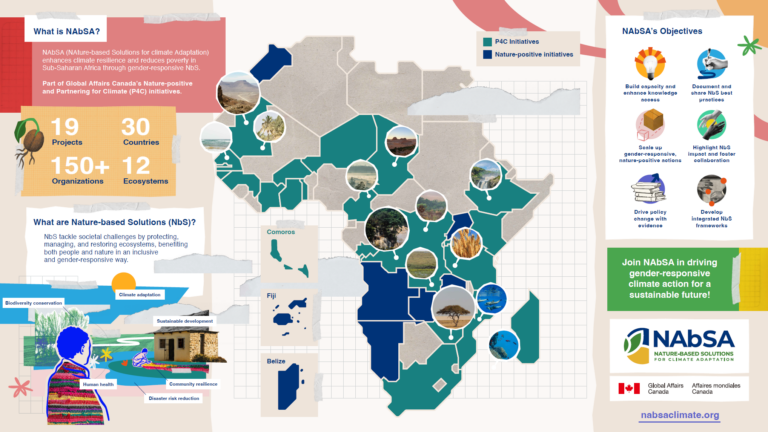
This document highlights Global Affairs Canada (GAC) funded NAbSA projects with spatial data available that have been documented in the IUCN Contributions For Nature Platform as of September 2025. The platform allows IUCN Constituents such as GAC to document where they are undertaking (or planning to undertake) conservation and restoration actions and quantify their potential impact.
Tags: Conservation, NAbSA, Nature-based solutions
- February 20, 2026 /
- Communication product
This communications toolkit, developed by the Scale-out Development and Communications Task Force, equips partners, policymakers, and the public with clear, compelling messages to amplify the impact of nature-based climate solutions and Canada’s Partnering for Climate initiative.
Tags: climate adaptation, Communication, Nature-based solutions
- February 2, 2026 /
- NAbSA NbS Briefs
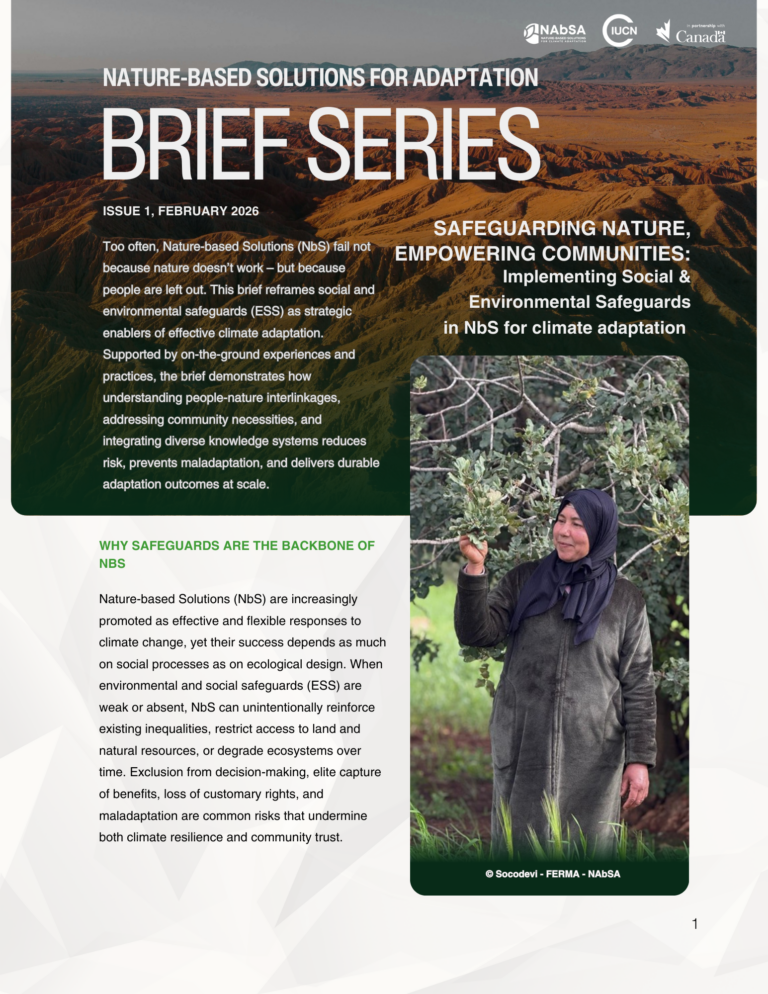
Too often, Nature-based Solutions (NbS) fail not because nature doesn’t work – but because people are left out. This brief reframes social and environmental safeguards (ESS) as strategic enablers of effective climate adaptation. Supported by on-the-ground experiences and practices, the brief demonstrates how understanding people-nature interlinkages, addressing community necessities, and integrating diverse knowledge systems reduces risk, prevents maladaptation, and delivers durable adaptation outcomes at scale.
Tags: Nature-based solutions
- February 2, 2026 /
- NAbSA NbS Briefs
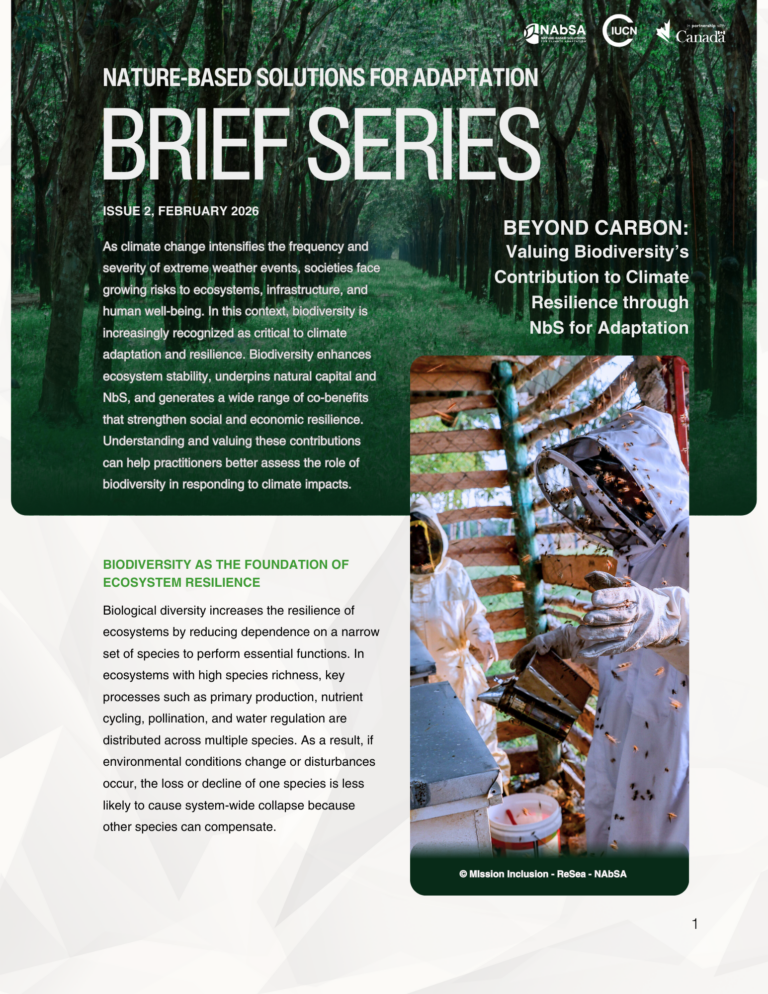
As climate change intensifies the frequency and severity of extreme weather events, societies face growing risks to ecosystems, infrastructure, and human well-being. In this context, biodiversity is increasingly recognized as a critical component of climate adaptation and resilience. Biodiversity enhances ecosystem stability, underpins natural capital and nature-based solutions (NbS), and generates a wide range of co-benefits that strengthen social and economic resilience. Understanding and valuing these contributions can help practitioners better assess the role of biodiversity in responding to climate impacts.
Tags: Nature-based solutions
- February 2, 2026 /
- NAbSA NbS Briefs
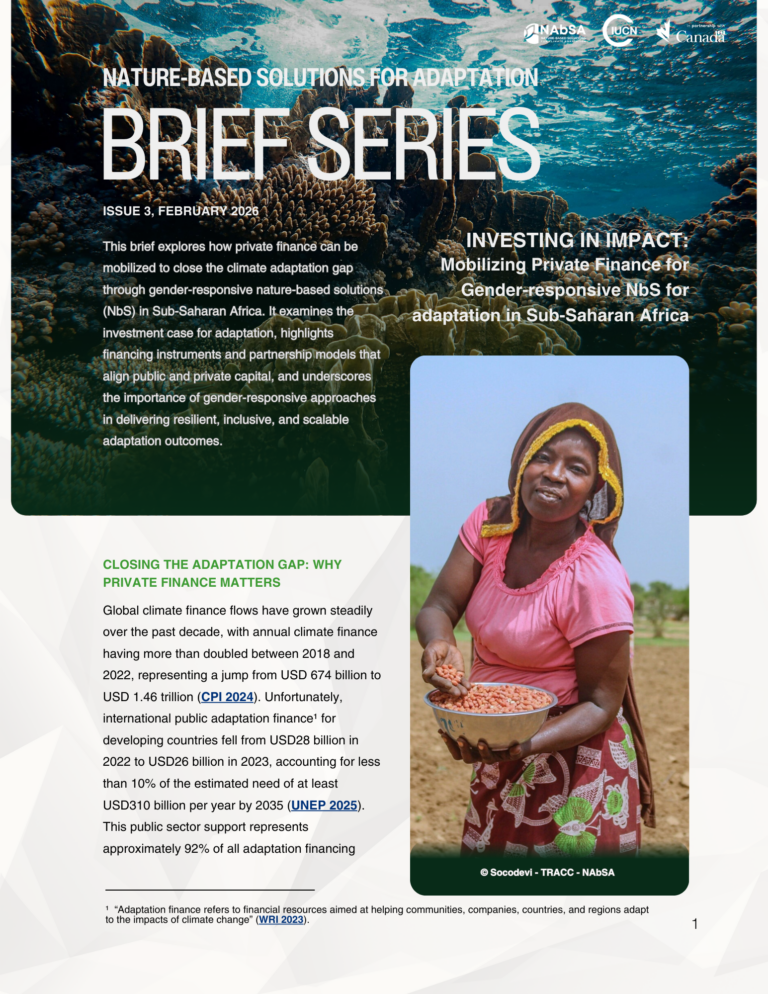
This brief explores how private finance can be mobilized to close the climate adaptation gap through gender-responsive nature-based solutions (NbS) in Sub-Saharan Africa. It examines the investment case for adaptation, highlights financing instruments and partnership models that align public and private capital, and underscores the importance of gender-responsive approaches in delivering resilient, inclusive, and scalable adaptation outcomes.
Tags: Nature-based solutions
- February 2, 2026 /
- NAbSA NbS Briefs
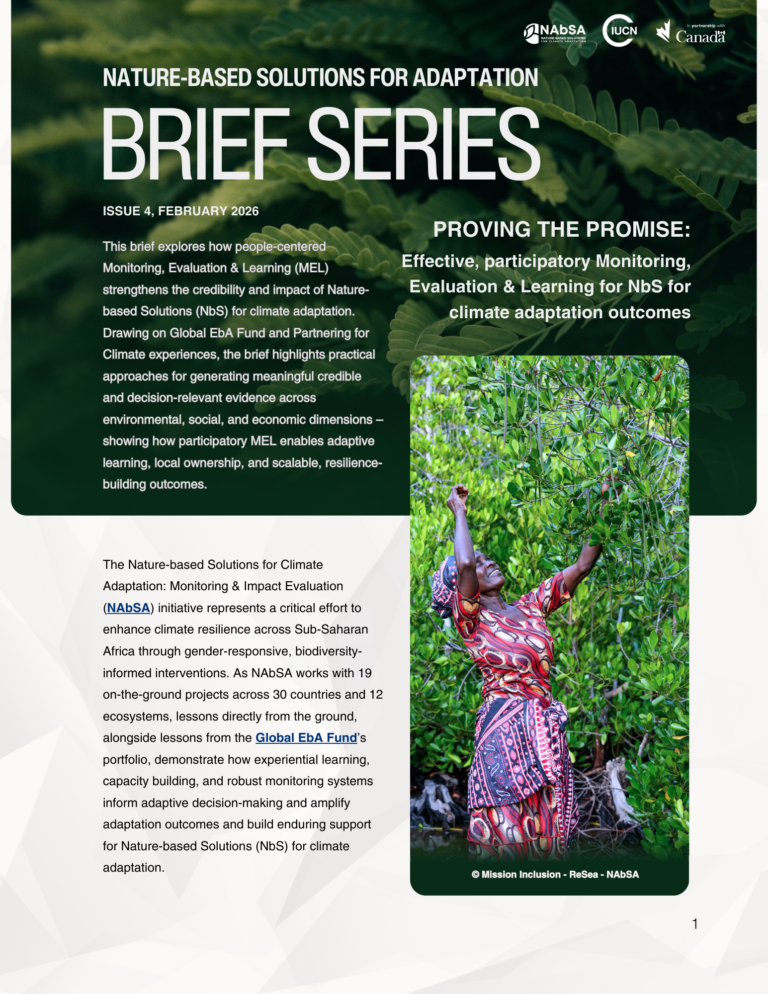
This brief explores how people-centered Monitoring, Evaluation & Learning (MEL) strengthens the credibility and impact of Nature-based Solutions (NbS) for climate adaptation. Drawing on Global EbA Fund and Partnering for Climate experiences, the brief highlights practical approaches for generating meaningful credible and decision-relevant evidence across environmental, social, and economic dimensions – showing how participatory MEL enables adaptive learning, local ownership, and scalable, resilience-building outcomes.
Tags: Nature-based solutions
- February 2, 2026 /
- NAbSA NbS Briefs
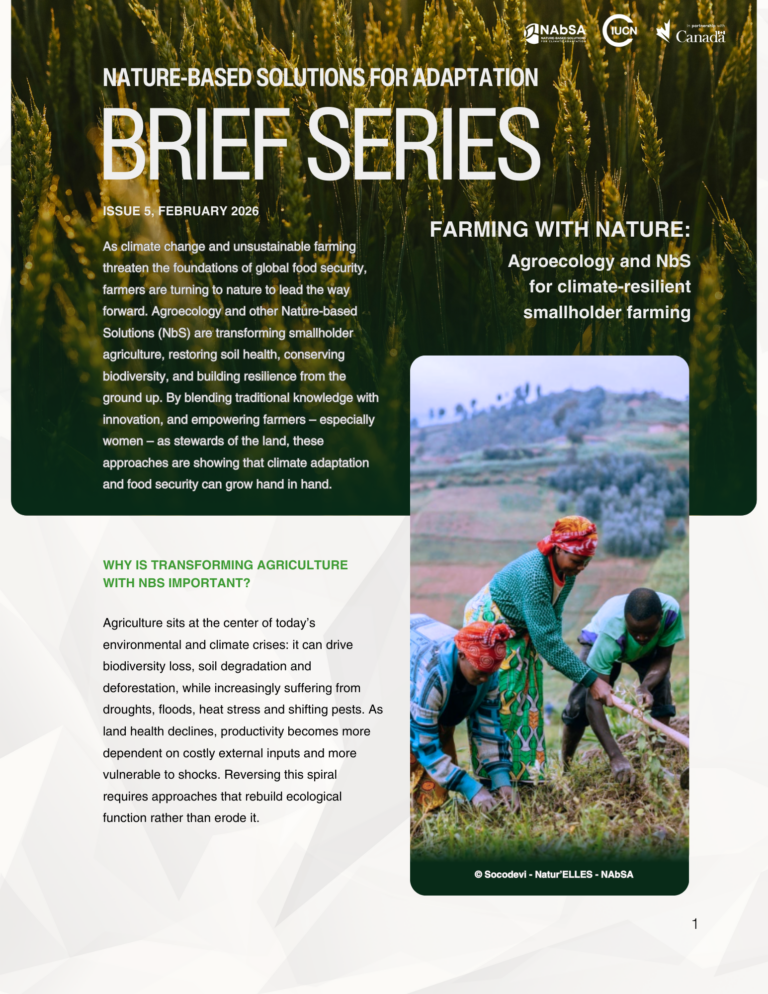
As climate change and unsustainable farming threaten the foundations of global food security, farmers are turning to nature to lead the way forward. Agroecology and other Nature-based Solutions (NbS) are transforming smallholder agriculture, restoring soil health, conserving biodiversity, and building resilience from the ground up. By blending traditional knowledge with innovation, and empowering farmers – especially women – as stewards of the land, these approaches are showing that climate adaptation and food security can grow hand in hand.
Tags: Nature-based solutions
- February 2, 2026 /
- NAbSA NbS Briefs
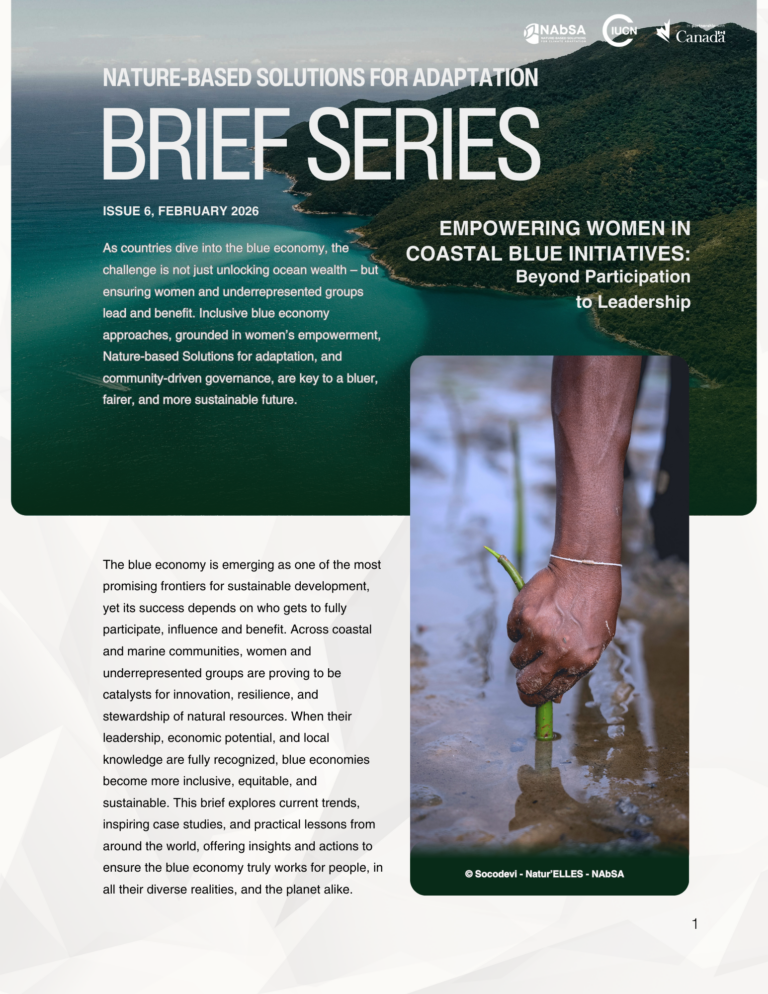
As countries dive into the blue economy, the challenge is not just unlocking ocean wealth – but ensuring women and underrepresented groups lead and benefit. Inclusive blue economy approaches, grounded in women’s empowerment, Nature-based Solutions (NbS) for adaptation, and community-driven governance, are key to a bluer, fairer, and more sustainable future.
Tags: Nature-based solutions
- December 9, 2025 /
This proposed Operational Framework provides a structured, inclusive and evidence-based approach to designing and implementing nature-climate actions for adaptation and resilience. It builds on and integrates existing tools and methods. By embedding co-creation, gender responsiveness, and social inclusion as core principles, the framework ensures equitably distribution of benefits and actively addresses power imbalances. It also intentionally and meaningfully incorporates the voices, knowledge and leadership of marginalized groups—including women, youth, persons with disabilities, and Indigenous Peoples—throughout the process.

- December 9, 2025 /
Le cadre opérationnel proposé offre une approche structurée, inclusive et fondée sur des données probantes pour concevoir et mettre en œuvre des actions nature-climat pour l’adaptation et de la résilience. Il s’appuie sur les outils et méthodes existants et les intègre. En intégrant la co-création, la prise en compte des questions de genre et l’inclusion sociale comme principes fondamentaux, le cadre garantit une répartition équitable des avantages et s’attaque activement aux déséquilibres de pouvoir. Il intègre également de manière intentionnelle et significative les voix, les connaissances et la direction des groupes marginalisés, notamment les femmes, les jeunes, les personnes handicapées et les peuples autochtones, tout au long du processus.

- October 12, 2025 /
- IUCN Publication
This guidance provides an overview of the Species Threat Abatement and Restoration (STAR) metric and the range of ways in which civil society organisations (CSOs) can use it to support their work for biodiversity conservation. It was developed with the support of Global Affairs Canada through the NAbSA project.
Tags: civil society, nature-positive, Species
- October 12, 2025 /
- IUCN Publication
This guidance provides an overview of the Species Threat Abatement and Restoration (STAR) metric and how governments can use it to support target-setting, planning, policy and action for biodiversity conservation. It was developed with the support of Global Affairs Canada through the NAbSA project.
Tags: Biodiversity, government, Species
- August 19, 2025 /
- Project publication
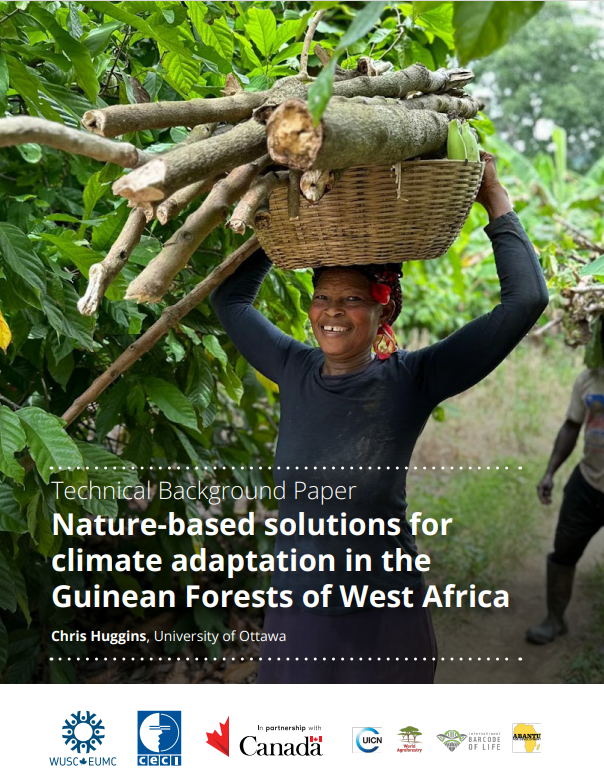
“Nature-based climate adaptation in the Guinean forests of West Africa” project is a 3-year collaborative initiative (March 27, 2023 – March 31, 2026), implemented by World University Service of Canada (WUSC) and Centre d’Études et de Coopération Internationale (CECI). This document provides a summary of research conducted during project inception planning in 2023, including baseline study, a gender analysis and a climate vulnerability analysis.
Tags: climate adaptation, Forests, Nature-based solutions, West Africa
- August 19, 2025 /
- EbA Tools
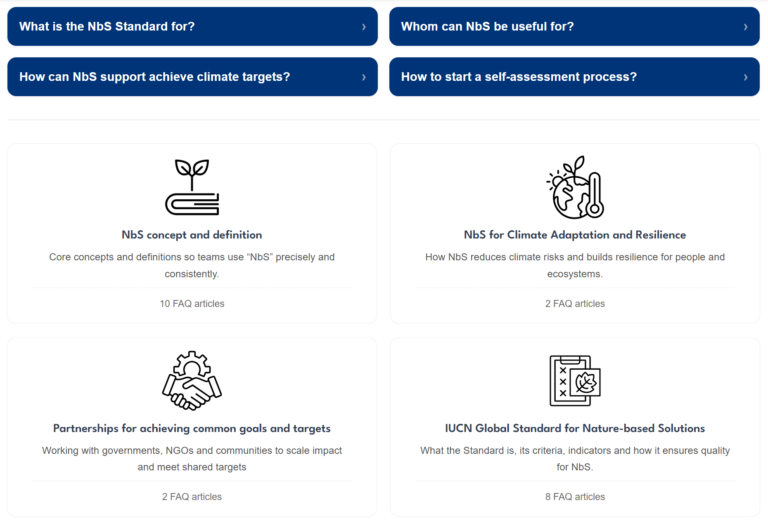
Have you ever wondered what makes Nature-based Solutions different from other conservation solutions? Or how they can support policy convergence? Dive into our Frequently Asked Questions (FAQs) to learn more!
Tags: climate adaptation, Climate Change, Climate resilience, Ecosystem-based adaptation, NAbSA, Nature-based solutions
- March 20, 2025 /
- Communication product
Tags: NAbSA
- March 18, 2025 /
- EbA E-learning
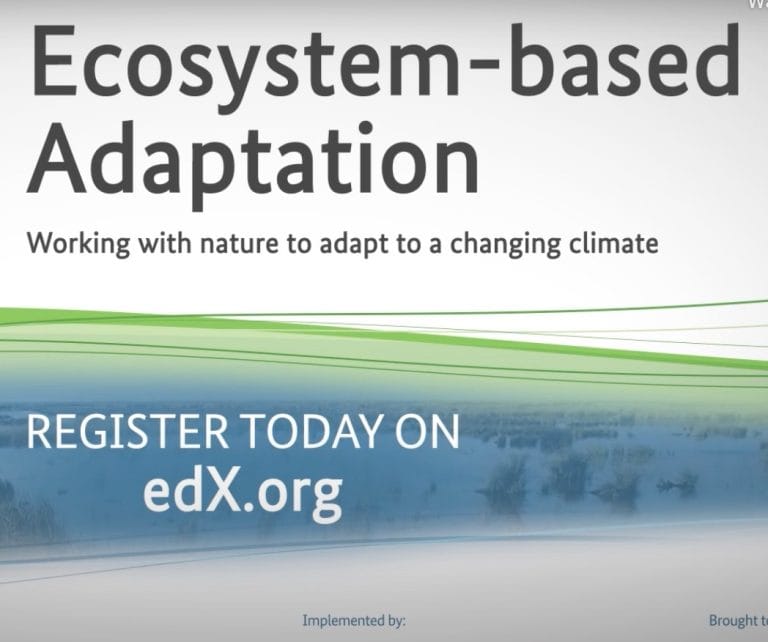
Ecosystem-based Adaptation is increasingly gaining policy support and being implemented by diverse actors around the world. EbA has broad applications across diverse sectors in fostering sustainable development and can help achieve multiple benefits for nature and human well-being. The course will equip learners with transferable and replicable skills in designing and implementing Ecosystem-based Adaptation (EbA) initiatives by offering targeted training on key principles, risk assessments, monitoring, and governance.
- March 18, 2025 /
- EbA Tools
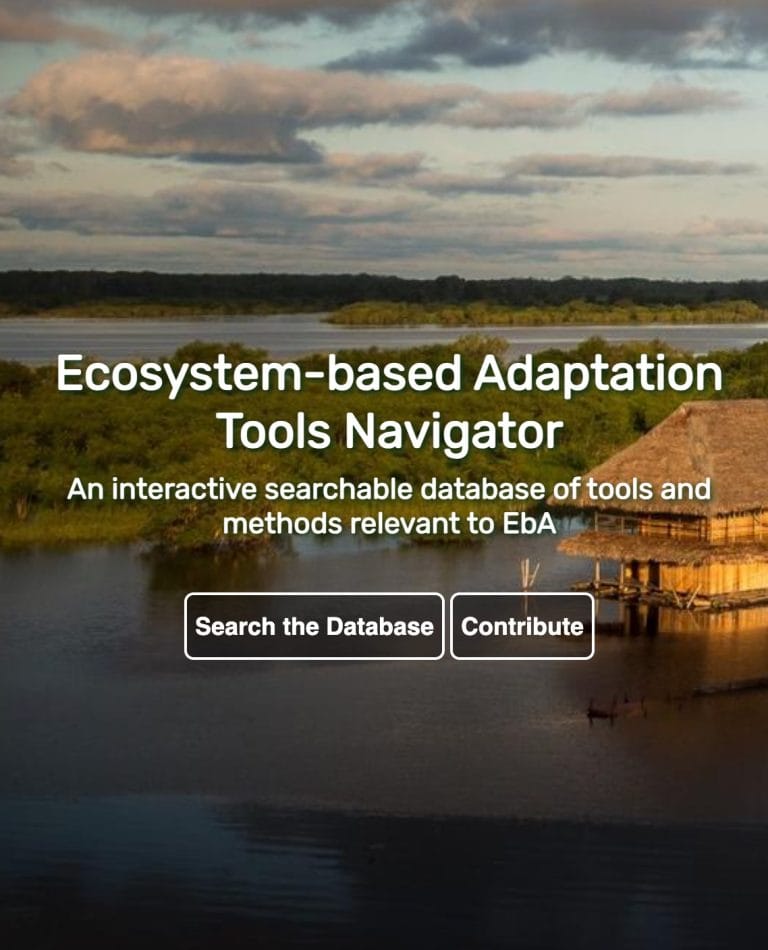
The EbA Tools Navigator, developed by partners IIED, UNEP-WCMC, IUCN and GIZ compiles tools and methodologies on EbA to support practitioners and policymakers effectively implement and integrate EbA into climate adaptation planning.The navigator is a searchable database of tools and methods relevant to EbA, providing practical information about more than 240 tools, methodologies and guidance documents. The tools featured cover an array of topics, including planning and assessments, implementation and valuation, monitoring and mainstreaming.
- November 25, 2024 /
- IUCN Publication
Unsustainable agricultural practices are among the main causes of biodiversity loss, climate change, and pollution globally. It is thus essential to integrate environmental conservation practices in the agriculture sector when looking at pathways for a sustainable future. In this context, Nature-based Solutions (NbS) could be a critical tool for improving the status of productive landscapes. This publication focuses on the relationship between sustainable agricultural practices and the concept of Nature-based Solutions, and specifically the applicability of the IUCN Global Standard for NbS™ in agricultural contexts. The aim is to provide experts and policymakers with ideas, recommendations, and concrete uses for these tools, in order to outline a potential path to a more sustainable future for the agricultural sector.
Tags: Agriculture, Biodiversity, Farming, Nature-based solutions, Sustainable agriculture
- March 1, 2024 /
- IUCN Grey Literature
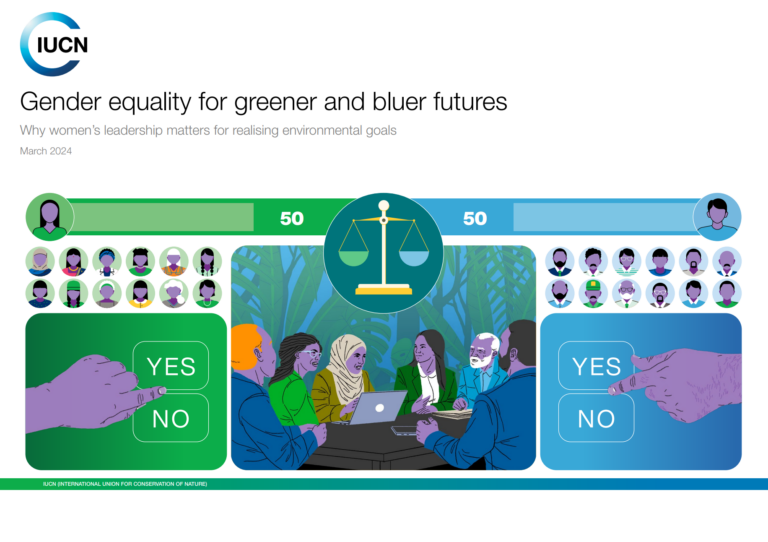
This publication releases new data on the number of women leading environmental ministries, compared with previous data. It also reviews the case, highlighting select data, on why gender equality and women’s empowerment are essential for global goals on achieving an inclusive and sustainable future.
Tags: gender
- November 30, 2023 /
- IUCN Self-assessment
The IUCN Global Standard for Nature-based Solutions self-assessment is an online tool that consists of eight criteria and associated indicators, which address the pillars of sustainable development (biodiversity, economy and society) and resilient project management. The NbS online self-assessment tool is managed by IUCN and it replaces the excel tool that has been used until now. At no point, IUCN is engaged in the assessment process, which remains a self-ranking process.
- April 1, 2023 /
- Sphere
This guide, developed in collaboration with the Nature-based Solutions in Humanitarian Contexts Working Group, provides practical guidance for using the Sphere minimum standards when implementing nature-based solutions (NbS) that addresses societal challenges in humanitarian action, including disaster risk reduction (DRR) and climate change adaptation.
- March 6, 2023 /
- IUCN Grey Literature
Tags: Assessments, Biodiversity conservation, Satellite images, Species
- December 19, 2022 /
- IUCN Grey Literature
Mountains are at the frontline of climate change, exacerbating existing vulnerabilities and socio-economic inequities for both mountain communities and those downstream. However, mountain communities have the capacity to adapt to these changes and mitigate the impacts of climate change. By utilizing the opportunities created by ecosystem services, mountain communities can build climate-resilience, resource security and consistent livelihoods. This publication presents and highlights the experiences using Nature-based Solutions (NbS) to build climate resilience in three mountain ranges: the Andes in South America, the Himalayas in Asia, and Mt. Elgon in East Africa. Its main objective is to provide practical information on these experiences to inform NbS practitioners, decision-makers, project designers and managers, researchers and local communities.
Tags: Case studies, Climate Change, Ecosystem resilience, Ecosystem-based adaptation, Mountains, Nature-based solutions
- December 5, 2022 /
- IUCN Grey Literature
Nature-based Solutions (NbS) are seen as a response to many societal challenge. It is becoming increasingly obvious that protected and conserved areas (PCAs) are a major vehicle for NbS and essential to their success in many situations. This publication argues that with appropriate and implemented safeguarding policies, together NbS and PCAs are some of the best routes we have for providing a decent future for people and the planet by combining many important elements of sustainable development.
Tags: Nature-based solutions, Protected areas
- October 17, 2022 /
- IUCN Grey Literature
This report offers an overview of the work by the Save our Mangroves Now! (SOMN) initiative in the region to date, bringing together data on extent, loss and gains, and the socio-economic value of mangroves in the region, as well as governance challenges and policy opportunities. We hope this will support national efforts and inform the development of a regional mangrove action plan in the Western Indian Ocean region, enabling coordinated and collective action on mangrove conservation and restoration. In addition, we created the guiding principles on sustainable mangrove ecosystem management and aspire for them to guide the design of collective action at the national and regional level in the Western Indian Ocean region and beyond.
Tags: Mangroves
- September 1, 2022 /
- IUCN Grey Literature
Tags: Assessments, Case studies, Nature-based solutions
- July 18, 2022 /
- IUCN Grey Literature
Tags: Climate Change, Comparative analysis, Disaster prevention, Disasters, Ecosystem-based adaptation, Nature-based solutions, Policy
- April 11, 2022 /
- IUCN Handbook
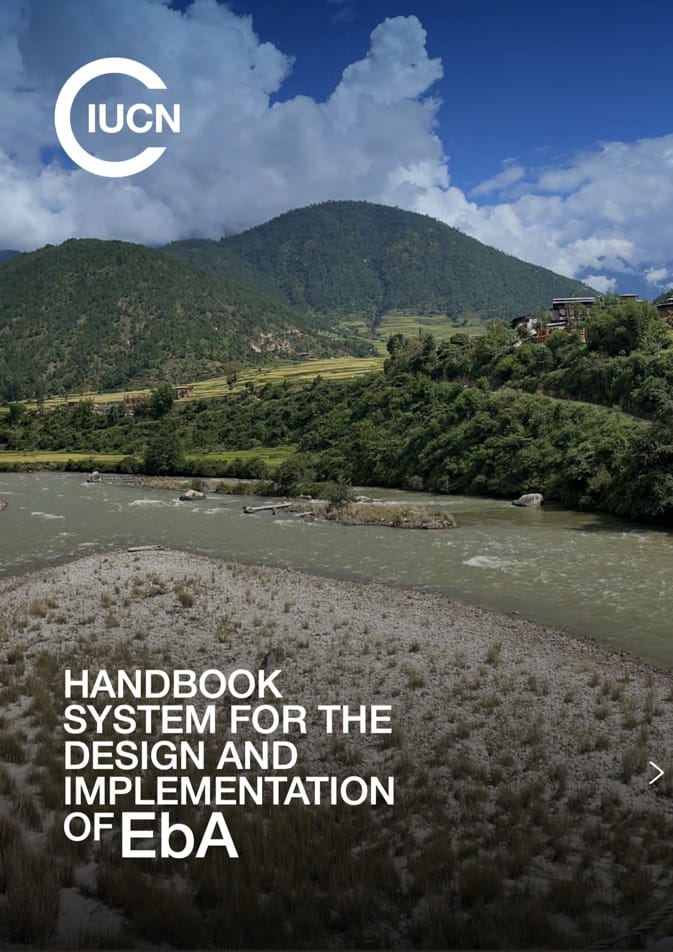
This handbook system was created to guide the process of designing, setting up, implementing, monitoring, and upscaling EbA interventions under the global Programme “Scaling Up Mountain Ecosystem-Based Adaptation: building evidence, replicating success, and informing policy”, supported by the Federal Ministry for the Environment, Nature
Conservation and Nuclear Safety (BMU), Germany, and jointly implemented by IUCN from 2021 to 2022 and The Mountain Institute from 2017 to 2019.
- February 22, 2022 /
- IUCN Publication
Aquaculture production has very significantly increased in tonnage and value over the last decades. It is seen as a potential solution to replace the declining wild fishery stocks. This publication is a first attempt to examine aquaculture systems within the recent framework of the IUCN Global Standard for Nature-based Solutions (NbS). It reviews the critical contextual situation, highlighting major issues related to climate change, biodiversity losses and endangered marine ecosystems. It stresses the need for new approaches, such as the concept of NbS, to improve human ability to implement sustainable development and to reach the UN Sustainable Development Goals (SDGs).
Tags: Aquaculture, Coastal ecosystems, Conservation, Ecosystem approach, Ecosystem services, Marine, Marine ecosystems, Nature-based solutions, Sustainable development, Traditional knowledge
- January 13, 2021 /
- IUCN Grey Literature
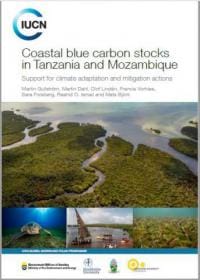
Tags: Carbon, Habitats, Mangroves, Marine protected areas, Salt marshes, Sea grass
- July 22, 2020 /
- IUCN Publication
The IUCN Global Standard for Nature-based Solutions lists the Criteria and Indicators, as adopted by the 98th Meeting of the IUCN Council in 2020.
Tags: Conservation, Management, Nature-based solutions, Standards