
Today marks the last day of the 16 Days of Activism against Gender-based Violence. December 10th is also International Human Rights Day, reminding us that safety from gender-based violence (GBV) in all its forms is a fundamental human right. And although the 16 Days are ending, our work continues.

Through its gender-responsive programming, IUCN and its partners are advancing global efforts to address GBV in environmental contexts. This work includes targeted strategies to address GBV mitigation and response, as well as strategies to address the underlying gender norms that contribute to GBV.
The Resilient, Inclusive and Sustainable Environments (RISE) grants challenge is a first-of-its-kind granting mechanism that supports activities designed to address GBV and environmental linkages in environmental and climate-related programmes. Led by IUCN with funding and support from the Norwegian Agency for Development Cooperation (Norad), through its past, current and future rounds of implementation, RISE contributes to tangible ground-level impact on GBV dynamics across various environmental sectors and generates learning and evidence on promising interventions.
Safety & Wellbeing for Women in Fisheries
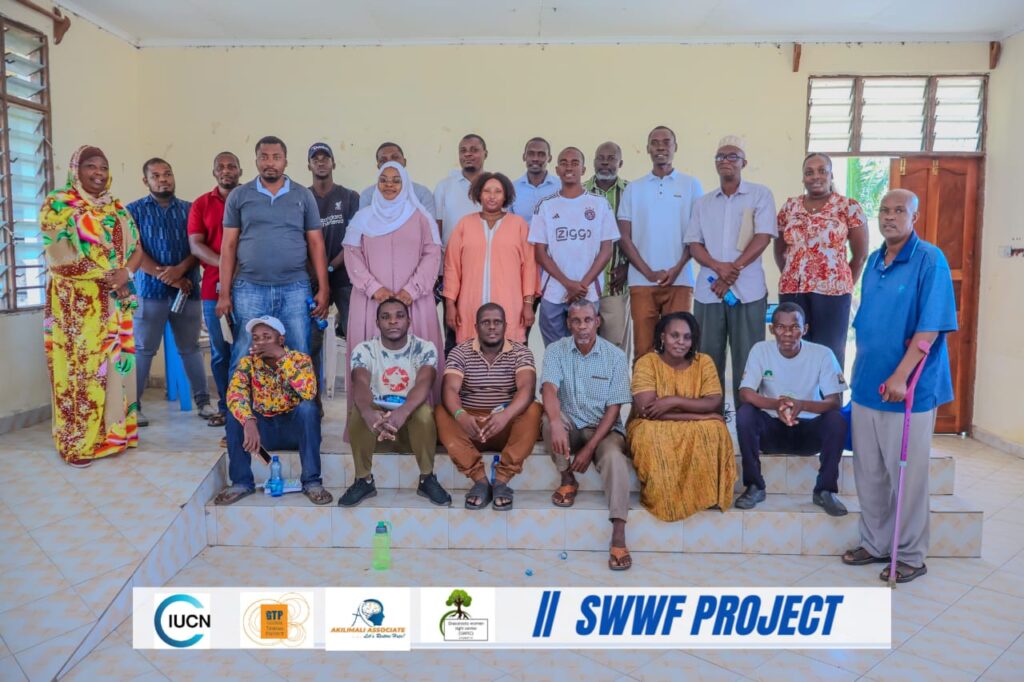
In Kenya, RISE grantee the Global Trauma Project (GTP) is leading the Safety and Wellbeing for Women in Fisheries (SWWF) project, aimed at reducing GBV risks and advancing women’s participation and leadership in fisheries governance. SWWF’s work takes place in communities that report up to 90 percent of women being exposed to GBV and in an entrenched culture of silence around “sex-for-fish,” in which women fish traders are forced to engage in transactional and coercive sexual relationships in exchange for fish. Through community safety plans co-developed with women in the fisheries sector, and by training women and men GBV champions in survivor-centred and trauma-informed approaches, the project enhances women’s ability to safely pursue essential livelihood activities in the fisheries value chain and promotes sustainable fishery management.
Integrating GBV considerations into the proposed marine-protected area of The Greater Cape Three Points Area, Ghana
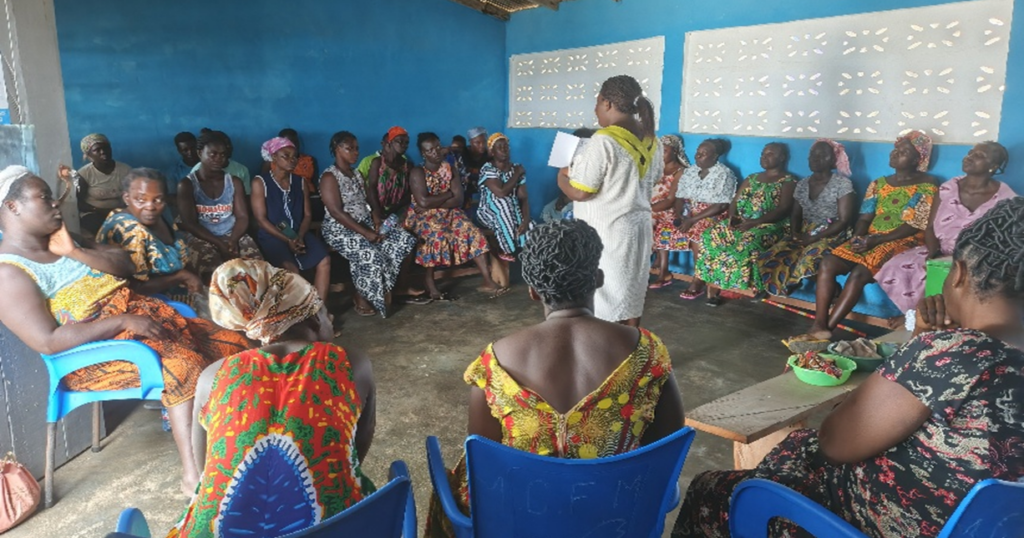
RISE grantee Hen Mpoano is leading a project aimed at integrating GBV prevention, mitigation, and response into the governance of The Greater Cape Three Points, Ghana’s first proposed marine protected area. In a context of declining fish stocks, economic stressors, and rising household tensions, the project’s key activities, including the formation of Village Savings and Loan Associations (VSLAs), strengthen financial resilience and reduce women’s economic vulnerability linked to GBV. The project harnesses local power structures to create change, including by building the capacity of the community, traditional leaders, and male champions to recognize, mitigate, and respond to GBV-related risks within the marine protected area’s governance systems.
The NAbSA initiative
NAbSA, a Global Affairs Canada’s Partnering for Climate initiative, supports 19 projects in 30 countries and across 12 different ecosystems, mainly in Sub-Saharan Africa, to advance gender-responsive nature-based solutions for climate adaptation. Coordinated by IUCN, NAbSA convenes a global network of 150+ organizations to share tools and best practices, while rigorous monitoring builds evidence of NbS impacts. Ultimately, NAbSA strengthens biodiversity and resilience, empowering women and local communities to scale inclusive, sustainable responses to climate challenges in vulnerable regions worldwide and beyond.
Locally led Indigenous Nature-based Solutions for Climate Change Adaptation in Zimbabwe (LINCZ)
Supported by NAbSA, the LINCZ project, led by the Mennonite Central Committee, aims to improve climate change adaptation while enhancing biodiversity conservation. At the core of its objectives in enhancing gender equality and climate resilient livelihoods, gender transformative approaches, such as the Men Can Cook program innovated by the project, promote equitable burden sharing and challenge restrictive gender norms. This program facilitates women’s access to skills training and income-generating opportunities such as beekeeping, thereby addressing sources of economic vulnerability and building up enabling conditions for women’s empowerment.
Lake Chad Basin Conservation Project
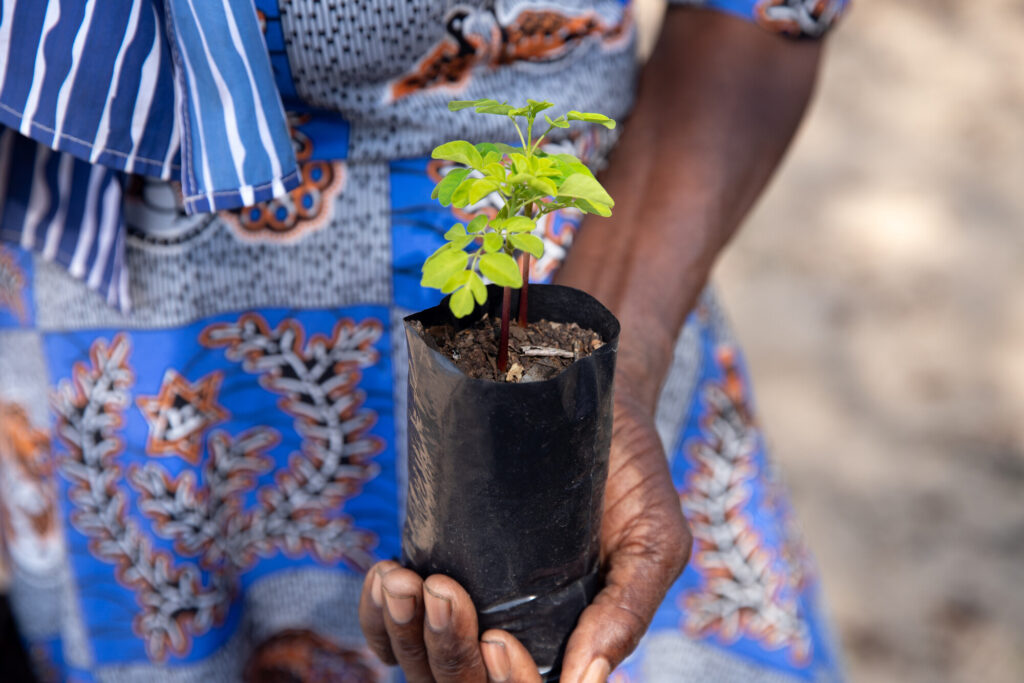
Alinea International’s project, supported by IUCN through NAbSA, advances women’s environmental stewardship and economic empowerment, integrated in wetland ecosystem restoration, promotion of sustainable agricultural practices, and strengthening equitable natural resource management. Approaches such as the Gender Model Family encourage open communication, non-violent and respectful behaviour, and equitable relationships within households. By challenging harmful stereotypes and promoting more equitable sharing of responsibilities, the project contributes to increasing the safety of women and girls and generates the support of men and boys for women’s leadership in community and adaptation spaces. During its 16 Days campaign, the project emphasised healthy relationships and engaged young people in discussions on digital violence in schools.
Regenerative seascapes for people, climate and nature (ReSea)
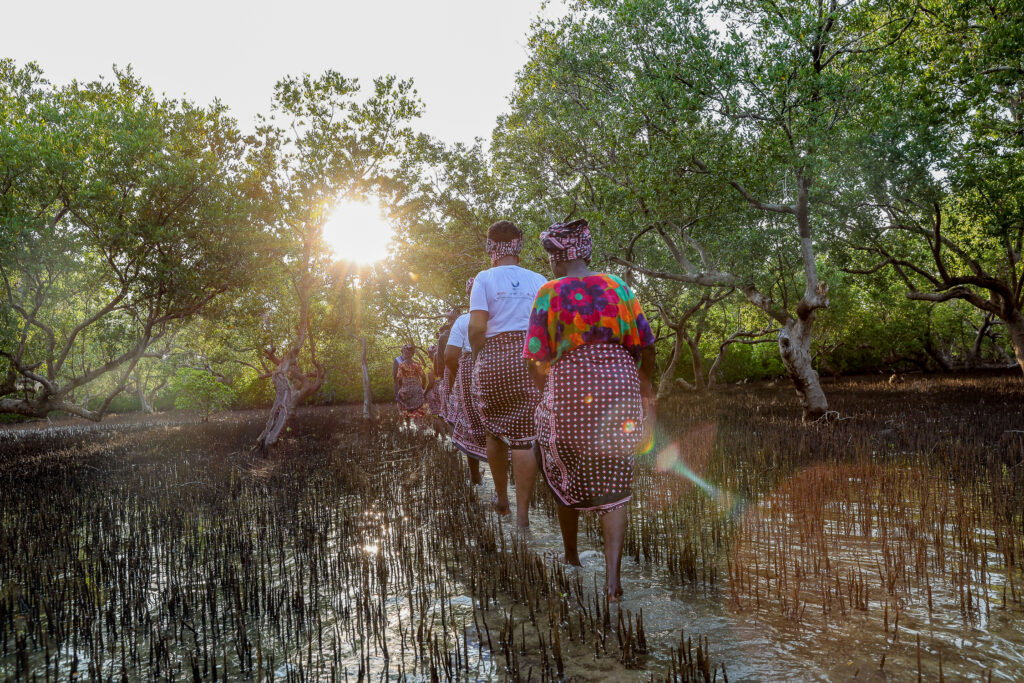
IUCN and Mission Inclusion lead the implementation of nature-based solutions and gender-responsive conservation to protect ecosystems in the Western Indian Ocean region from the adverse impacts of climate change. Women’s economic empowerment in blue value chains is at the heart of the project, which provides entrepreneurship training and support for business initiatives by women’s groups. In Mozambique, partner organisation MULEIDE identified psychological, physical, and sexual violence against women—including sexual harassment as part of fishery management committees, intimate partner violence, and blackmail—as barriers to women’s economic development. By promoting positive masculinities, equipping women with tools and soft skills to navigate the business landscape, and providing psychological and legal assistance to survivors, ReSea has enabled the creation of innovative nature-based businesses led by women, such as beekeeping and sourcing non-timber forest products for medicinal and other purposes from mangroves.
Regional Coastal Biodiversity Project (RCBP)
Although The Regional Coastal Biodiversity Project, implemented in El Salvador, Honduras and Guatemala, has ended, it is emblematic of the adaptative management and GBV programming that can be integrated within environmental projects. The project did not originally intend to address GBV, but when the gender analysis identified domestic and intimate partner violence as barriers for women’s participation and leadership in fisheries governance and value chains, IUCN and its partners took action.
The project developed and delivered training on positive masculinities, targeting male leaders in fisheries and agricultural organisations and associations. Religious leaders also lent their support and participated in these sessions, emphasising for men how their support of women in natural resource governance will yield improved outcomes. Participants discussed how traditional patriarchal values can trigger GBV, and which are harmful to men as well as women, as in case of machismo which can increase men’s exposure to occupational hazards. This training resulted in men’s commitments to support more equitable gendered power dynamics within their homes and to promote women’s participation in their respective organisations as peers.
RCBP designed a manual on prevention of GBV with the aim of facilitating local training processes that lead to identifying manifestations of GBV, reflecting on its impacts, and adopting commitments to change at the personal, family, and organisational levels in marine-coastal areas, especially artisanal fishing environments.

Committed to Addressing Gender-Based Violence
Though we dedicate these sixteen days at the end of the year to draw attention to the harms of GBV, our work, energy, and commitment is needed all year round. Despite compounding challenges to women’s right to be free from violence, IUCN and its partners are committed to contributing to real progress on the ground and through international agreements and policy. At IUCN, we know that there can be no biodiversity conservation, no climate resilience, and no sustainable development without gender equality and women’s empowerment.
This blog post has been written in the context of 16 days of Activism against Gender-based Violence 2025.
Read the other blog posts related to this campaign:
- Protecting people, protecting nature: The nexus between gender-based violence and the environment – NAbSA
- Protecting people, protecting nature: Spotlight on digital violence against Indigenous women in the Philippines, Thailand and Indonesia – NAbSA
- Protecting people, protecting nature: Addressing gender-based violence in climate and conservation action in Sub-Saharan Africa – NAbSA