

Gender-based violence (GBV) remains one of the most widespread and unacknowledged forms of human rights violations in the world. With data collected by UN Women revealing that every 10 minutes, a woman or girl was intentionally killed by a partner or family member in 2024, the urgent need for dedicated and global action is clear.
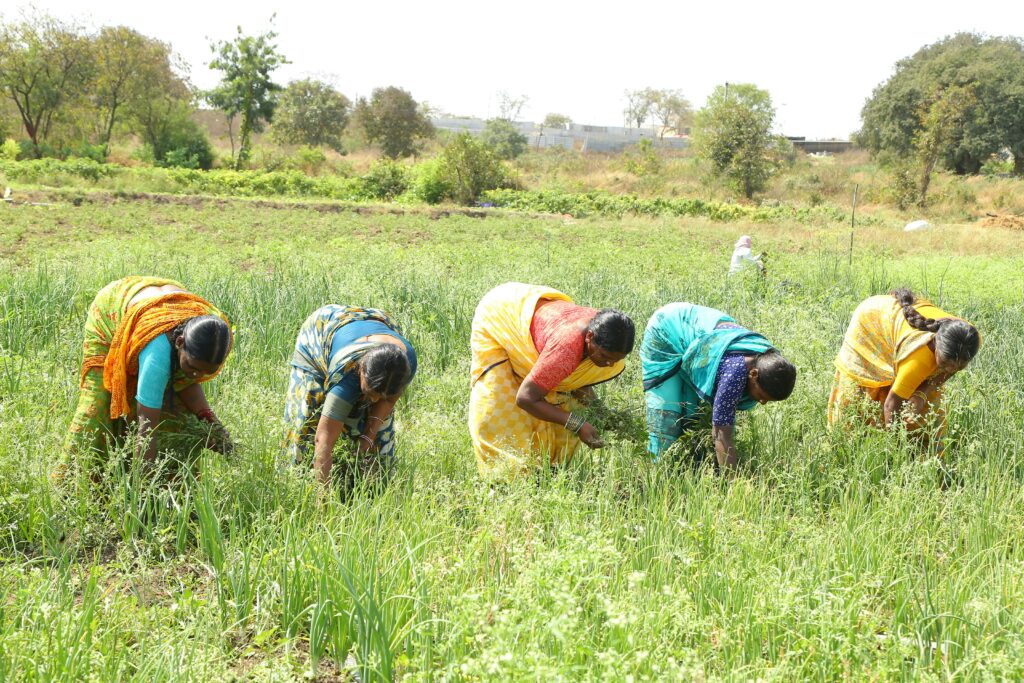
The International Union for Conservation of Nature (IUCN) and its partners recognize that gender inequality and gender-based violence (GBV) are issues that cannot be extricated from sustainable conservation. Through its work at the GBV-environment nexus, the Union has positioned itself at the forefront of global efforts to prevent, mitigate, and respond to GBV in the context of environmental management and conservation.
In a groundbreaking 2020 report, IUCN revealed the deep interlinkages between GBV and the environment. It showed how GBV is used as a tool to regulate and reinforce entrenched gender inequalities and power imbalances. In environmental sectors, GBV is used to assert or maintain control over natural resources, reinforcing social and gender norms dictating who can access, use and manage these resources. In this context, GBV can take many forms, including domestic and intimate partner violence (IPV), used to prevent women’s inheritance and land rights, and through sexual extortion and exploitation in fisheries value chains, often known as “sex-for-fish.”
Gender-differentiated roles in natural resource use also often make women and girls particularly vulnerable to violence. For example, in 7 out of 10 households where water must be collected from a source outside of the home, women and teenage girls hold the primary responsibility for water collection. Often, this responsibility means that women and girls must travel long distances in remote areas, which exposes them to heightened risks of harassment, as well as physical and sexual violence.
Environmental stressors, including climate change, extractive industries and environmental crimes, exacerbate the prevalence of and vulnerability to GBV. Natural resource scarcity, economic insecurity, livelihood loss and the presence of illegal activities can lead to heightened domestic tensions, harmful coping strategies and reduced resilience for families and communities. In Indonesia, for example, as overfishing, ocean acidification and warming threaten fish stocks and the livelihoods of coastal communities, families are increasingly turning to child marriage to alleviate their burden. In the Democratic Republic of the Congo, women living close to mines controlled by armed groups are almost three times more likely than women living further away to experience sexual violence by a stranger.
GBV is also used to assert power in the context of environment-related activism and conservation efforts, enforcing norms around how and which of different genders can participate in, lead and benefit from programming. In many cases, GBV is used to prevent women and girls from advocating for their rights and contributing to conservation efforts. Indigenous women in particular face increased risks of violence due to intersecting forms of discrimination. For instance, according to the Women’s Observatory of the Public Ministry, in Guatemala there were 2,520 attacks or assaults against women human rights and territorial defenders in 2023 alone, of which nine out of ten survivors were Indigenous Mayan women1.
With these complex and multi-layered dynamics, the nexus between GBV and the environment cannot be ignored. GBV influences how environmental changes impact women and girls, who can participate in and benefit from conservation programming and how individuals, families and communities are able to respond to environmental stressors, including climate change effects.
This year marks the thirtieth anniversary of the adoption of the Beijing Declaration and Platform for Action. 2025 has been further distinguished by important advancements on gender in international environmental policy, particularly commitments under the Action Plans of the Convention on Biodiversity and the United Nations Framework Convention on Climate Change to enhance the safety of women and girls. IUCN and its partners remain dedicated to advancing gender equity and equality through gender-responsive action. Addressing GBV is critical to these efforts, ensuring that all people can contribute to protecting our planet, and enabling equitable and sustainable outcomes for both people and nature.
1 Guatemala’s Public Ministry maintained a public website, “Observatorio de la Mujeres” (Women’s Observatory) with this and other statistical data regarding crimes against women and children until November 2023 when the site ceased activity.
This blog post has been written in the context of 16 days of Activism against Gender-based Violence 2025.
Read the other blog posts related to this campaign:
- Protecting people, protecting nature: Spotlight on digital violence against Indigenous women in the Philippines, Thailand and Indonesia – NAbSA
- Protecting people, protecting nature: How IUCN and its partners are advancing global efforts at the gender-based violence and environment nexus – NAbSA
- Protecting people, protecting nature: Addressing gender-based violence in climate and conservation action in Sub-Saharan Africa – NAbSA